Yoga Mat for Heated Yoga: Everything You Need to Know
Everything you need to know about a yoga mat for heated yoga: start with the room and studio rules, then decide whether you need a new mat, a towel, or neither.
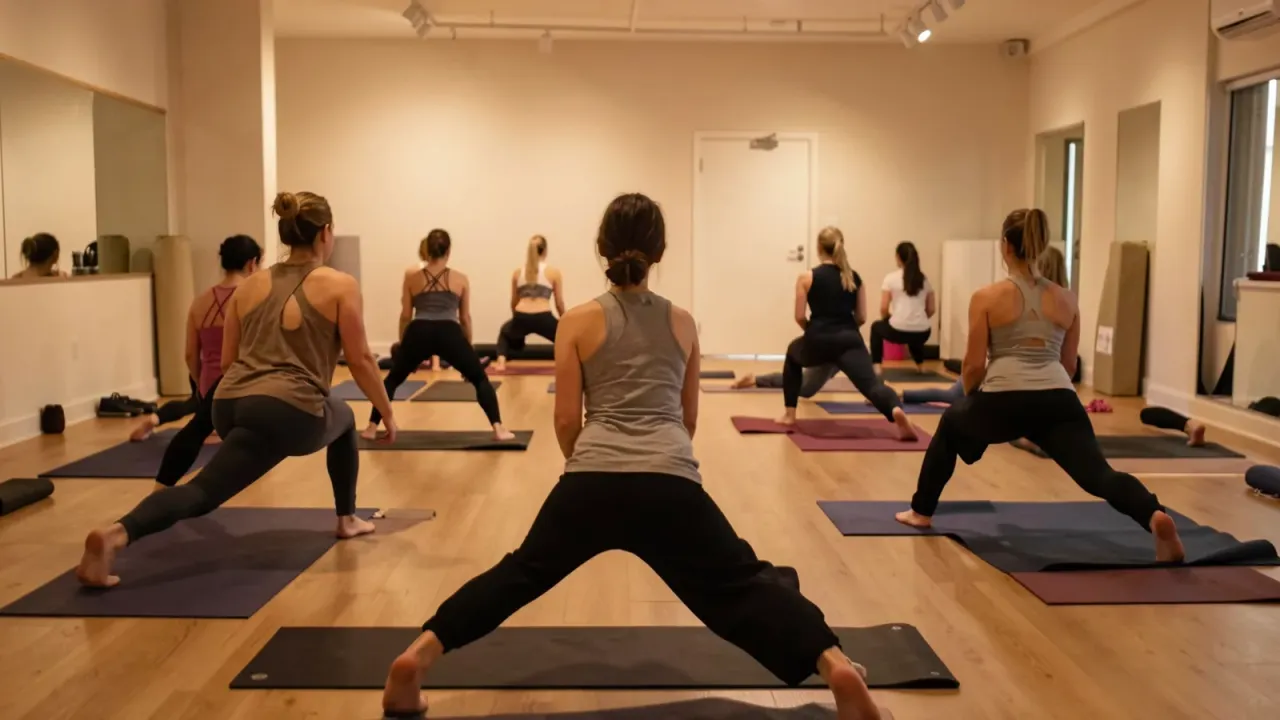
A yoga mat for heated yoga has to work in a room that is already a condition
A yoga mat for heated yoga is not a different species of object from a hot yoga mat, but the question people are actually asking is slightly different. It is not only "which mat is grippy." It is "what changes when the room is heated, and do I need a different mat at all, or do I need a towel, a shorter practice, or a conversation with a clinician first?" This article starts with the room and the person, then looks at the mat. It will not promise health benefits from heat, and it will not tell you to tolerate dizziness. Official, cautious background on yoga is at NCCIH: Yoga: What You Need to Know. If heat is a concern for you, ask a clinician before you worry about rubber thickness.
Heated yoga, hot yoga, and similar class names are studio language. Rooms and temperatures are not standardized in this article, and I will not invent a degree figure. Ask the studio what they mean, what they provide, and whether you should bring a towel.
What the heated room changes about the tool
Sweat changes grip. Humidity can change how a mat smells and how slowly it dries. A packed room can shrink the space you have, so width and a mat that stays in its rectangle matter more. Water bottles, if the studio allows them, belong where they will not pour onto a slick floor under your hands.
| Decision | What to ask or measure | A poor assumption |
|---|---|---|
| Do I need a new mat? | Does my current mat slide when it is damp, on this kind of floor? | "Heated yoga requires a new brand" |
| Towel or no towel? | Studio rules, and whether a towel stays on your current mat | A decorative small towel that covers nothing useful |
| Thickness | The floor, your joints, and whether a thick mat wobbles in standing work | Thicker is always safer in heat |
| Length | Your height at full stretch, in the stance you actually use | A standard length that is short for you, tolerated in a cooler, slower class and then hated here |
| Cleaning and drying | Whether you can dry the mat fully before the next class | Leaving a wet heated-class mat in a tube overnight |
| Home heated practice | The room is safely heated by ordinary means, with ventilation, and not by a risky improvised heater beside a mat | Copying a studio's heat with a space heater on a cord next to you |
If you practice at home, official fire and manufacturer rules for any heater matter more than "creating a studio feel." Keep heaters away from mats, towels, and clutter, and do not improvise a closed, overheated room. This is ordinary household caution, not a yoga secret.
A checklist before a heated class or a new mat
- You have asked, if you need to, whether practicing in heat is appropriate for you
- You know the studio's rules on mats, towels, and water
- You have tested your current mat when damp, or you have a rental plan
- You have a towel plan if the class or the mat needs one
- The mat is long and wide enough for you
- You can dry the mat fully after class
- You will not cover a slip problem with perfume, oil, or lotion on the hands just before a standing series, if that is what makes you slide
- You have a way home that does not require stuffing a soaked mat into a sealed bag for hours
- At home, any heating method is a safe, ordinary one, not a fire risk
If the current mat is fine when damp, you may not need a new yoga mat for heated yoga. Spend on a towel you can wash, or on nothing.
Economical choices that still respect the room
Rent once. Notice what slipped. Buy only the missing piece. A mid-price mat that stays put will beat a famous "best yoga mat" that you cannot carry or cannot dry in time. If you already own a good bag, measure the roll before you buy a new one.
Lotion, oil, and some sun products on the hands can defeat grip. If you use them, allow time, or wash your hands before class, rather than buying a third mat to solve a greasy palm.
If you take both heated and unheated classes, one decent, grippy mat can usually do both, with a towel added in the hotter room. Two specialized mats are a luxury, not a requirement.
What "heated" does not change
It does not change the value of a measured length. It does not change the need to read a studio's published rules. It does not make an unsafe home heater into a studio. It does not turn a product page into medical advice. And it does not require you to finish a class you should leave. The mat is there to stay under your feet. The rest of the practice, including whether heat is even a good idea for you, sits outside the shopping list.
If you like cooler rooms better, that is a complete answer. You do not owe a heated class a new mat, or your attendance. Plenty of useful yoga happens on a simple, dry mat in an ordinary room, which is also easier on the laundry.
A short note on budget brands and "pro" labels
Pay for the length you need and the grip you can feel, not for the word professional. A plainly made mat that stays put in that room is the right mat. A marked-up mat that slides is the wrong one, whatever the tag says. If a mid-price mat and a mid-price towel solve the class, you are done. Save the rest of the money for the membership, or for nothing.
Questions about a yoga mat for heated yoga
Is a yoga mat for heated yoga different from a hot yoga mat?
In shops, the phrases often point to the same need: grip when the body and the room are damp. The useful difference is in how you decide: start with the room, the studio rules, and whether your current mat already works.
Do I have to buy a new mat for my first heated class?
No. Many studios rent mats and towels. Use that first if you can, then buy only if you will return and if what you rented taught you something your current mat lacks.
What should I do if I feel unwell in a heated room?
Stop, leave the heat, and get help if you need it. Do not treat a mat upgrade as the answer to dizziness or illness. That is a person question, for you and a clinician, not a product question.
How soon can I roll the mat after a heated class?
When it is dry enough that it will not sit damp in a bag. Wipe it, hang or air it, and wait. A wet roll is how mats smell, even expensive ones.